
Precision metal stampings: high accuracy at high volume
Precision stamping produces mechanical parts to tight tolerance at low unit cost. Where it wins against machining, and where it does not.
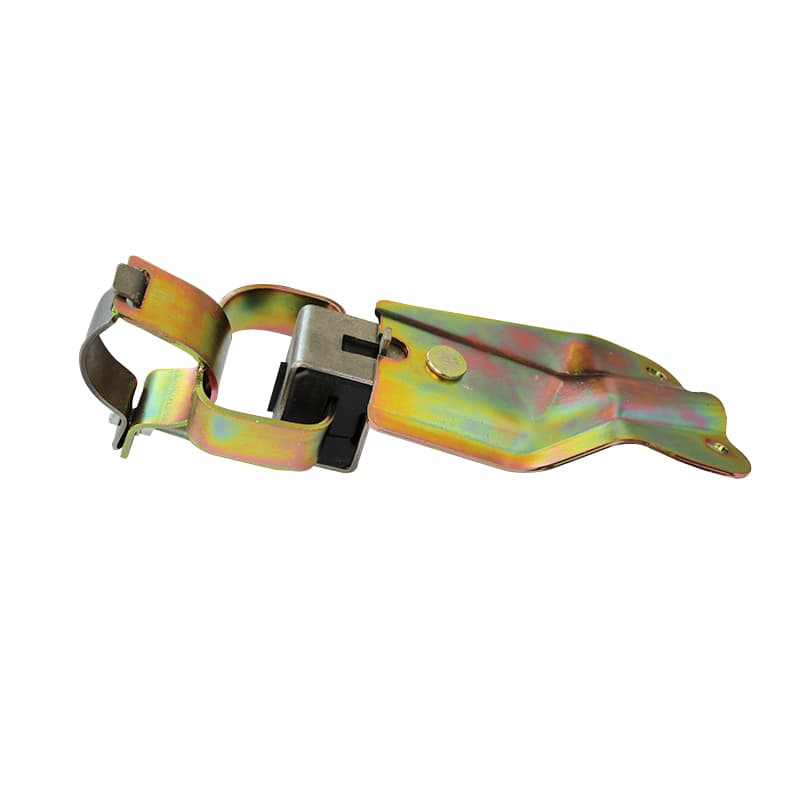
Precision stamping is a process for making mechanical components to close tolerance in volume. Its advantages are accuracy, throughput and cost, and it has displaced machining for a large class of parts that used to be turned or milled.
The economics are straightforward. A stamping die is expensive to make and cheap to run; a machining programme is cheap to write and expensive to run. Somewhere between a few thousand and a few tens of thousands of parts, depending on complexity, the stamped part becomes cheaper, and it stays cheaper for every part after that.
Where stamping wins is on thin-walled parts with features in a plane: brackets, contacts, washers, clips, laminations and shields. Where it loses is on parts needing true three-dimensional geometry, deep threads, or tolerances tighter than roughly ±0.02 mm, which remain machining work.
The honest engineering answer is often a combination. We frequently stamp the blank and then machine one critical feature, which gives the volume economics of stamping with the tolerance of machining on the single dimension that needs it. If you are unsure which way a part should go, send the drawing and we will quote it both ways.